Nigeria produces roughly 500,000 graduates a year into an economy with almost no formal jobs waiting. Learning how to get work experience before graduating in Nigeria has become one of the most important career decisions students can make.
According to the State of Student Work Report published by the Garage in April 2026, 80% of working students have over two years of work experience while still in school, and nearly one in five earn between ₦100k and ₦200k monthly.
The average Nigerian student isn't waiting for their first job. They're already building their portfolios before they even collect their degrees.
Employers today don't have the time or resources to train new hires from scratch. With the rise of AI making the job market even more competitive, they want job-ready candidates who can contribute from day one.
So the plan isn't to wait until after school to start preparing. The goal is to start now.
The gap that still exists, though, is that students are sending countless job applications and getting no positive feedback because what employers want to see is proof and evidence of work done.
As a student, the frustration lies when everyone is answering every question except the most important one: how do I actually get a job?
It starts with building solid work experience, and this article breaks down exactly how to gain work experience before graduating in Nigeria.
4 Ways Nigerian Students Gain Work Experience
There are different paths students can take to build a CV without work experience, but for the purpose of this article, we narrowed it down to these four:
- Internships
- NYSC
- Volunteering roles
- Freelancing as a student
Internships
Internships give you practical, on-the-job training. School teaches you the theory. Internships give you the hands-on. Depending on the program, they run for three to six months and can be paid or unpaid.
NYSC
NYSC is the mandatory one-year national service program for Nigerian graduates, where you're deployed to work in an assigned state. It's a real opportunity to gain work experience; however, you wait till after you graduate. Depending on your placement, be it a corporate organization, factory, school, or media agency, you could spend a full year working within a company team. Some corps members get retained by their host organization afterward.
Volunteering Roles
Volunteering is another route to building experience. Some students volunteer remotely in roles like graphic design, content writing, marketing support, or data analytics. Others volunteer with NGOs or student-led bodies like JCI and AIESEC, or contribute to short-term projects like campus events, food drives, or health outreaches.
Freelancing as a Student
Freelancing means offering your skills to companies, startups, or organizations for a defined period without committing to a 9 to 5. When the project ends, you move on. You can work with multiple clients at once, and each project becomes an outcome. This is how to build a CV with no experience.
How to Build Work Experience Before Leaving School
Identify your target career path.
Choosing a career path is not as complicated as most people think. Think about where your skills shine and where you naturally excel. Ask yourself: What tasks do I finish faster than others? What do people around me ask for my help with? What kind of work doesn't feel like work? Consider what could hold you back, what opportunities exist, and how they fit your bigger goals. Look for environments that let you explore your interests, build credibility, and create real experience. Pay attention to the tasks that come naturally to you. That's often where your career direction begins.
Learn the core skills employers expect.
Knowing what you want to do isn't enough. You also need to build the skills that make employers choose you over everyone else. These include problem-solving, critical thinking, and strong communication. Employers want people who can research and analyze complex information, stay open to learning, articulate their ideas clearly, and collaborate effectively. These are the skills that set you apart.
Work on real or simulated projects.
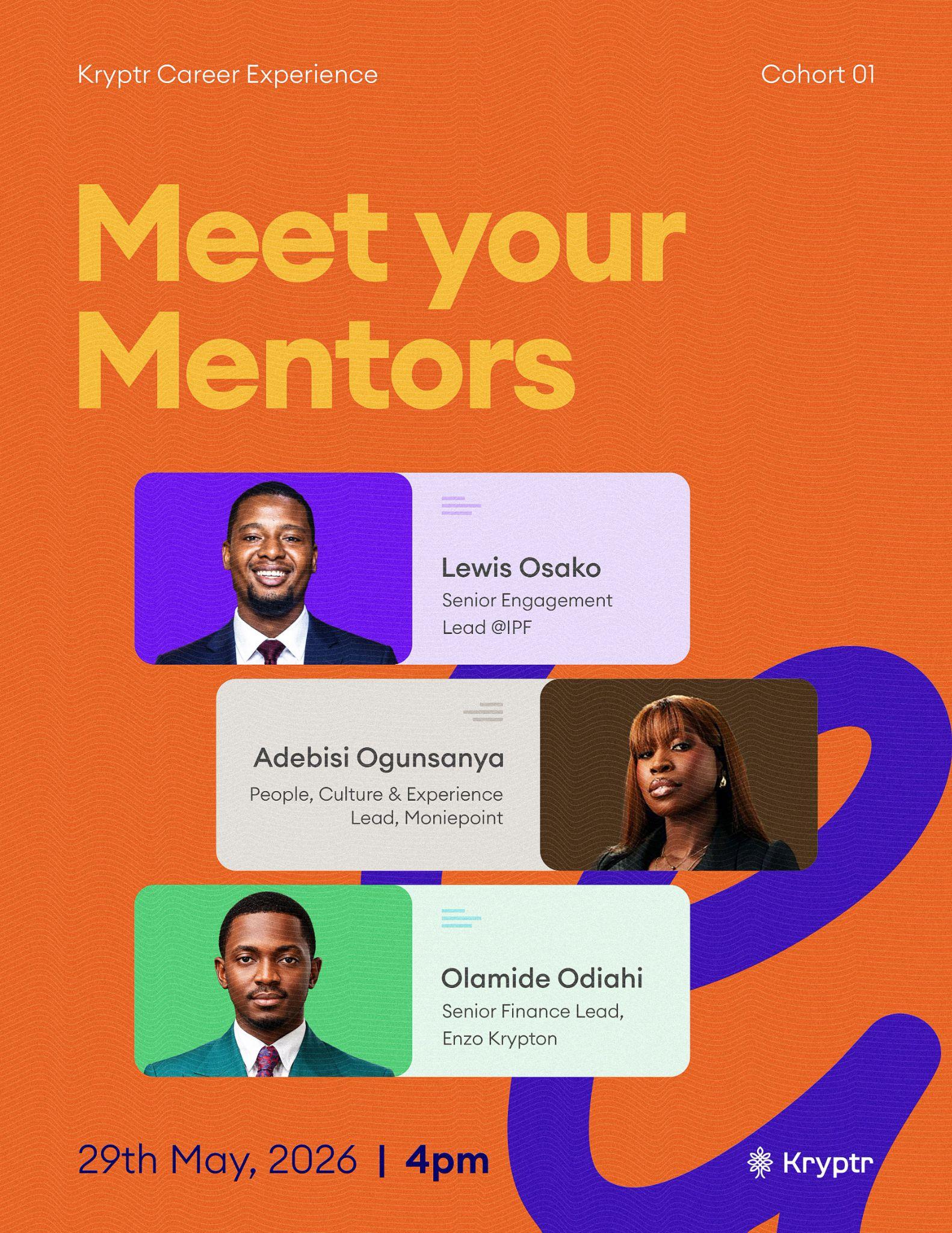
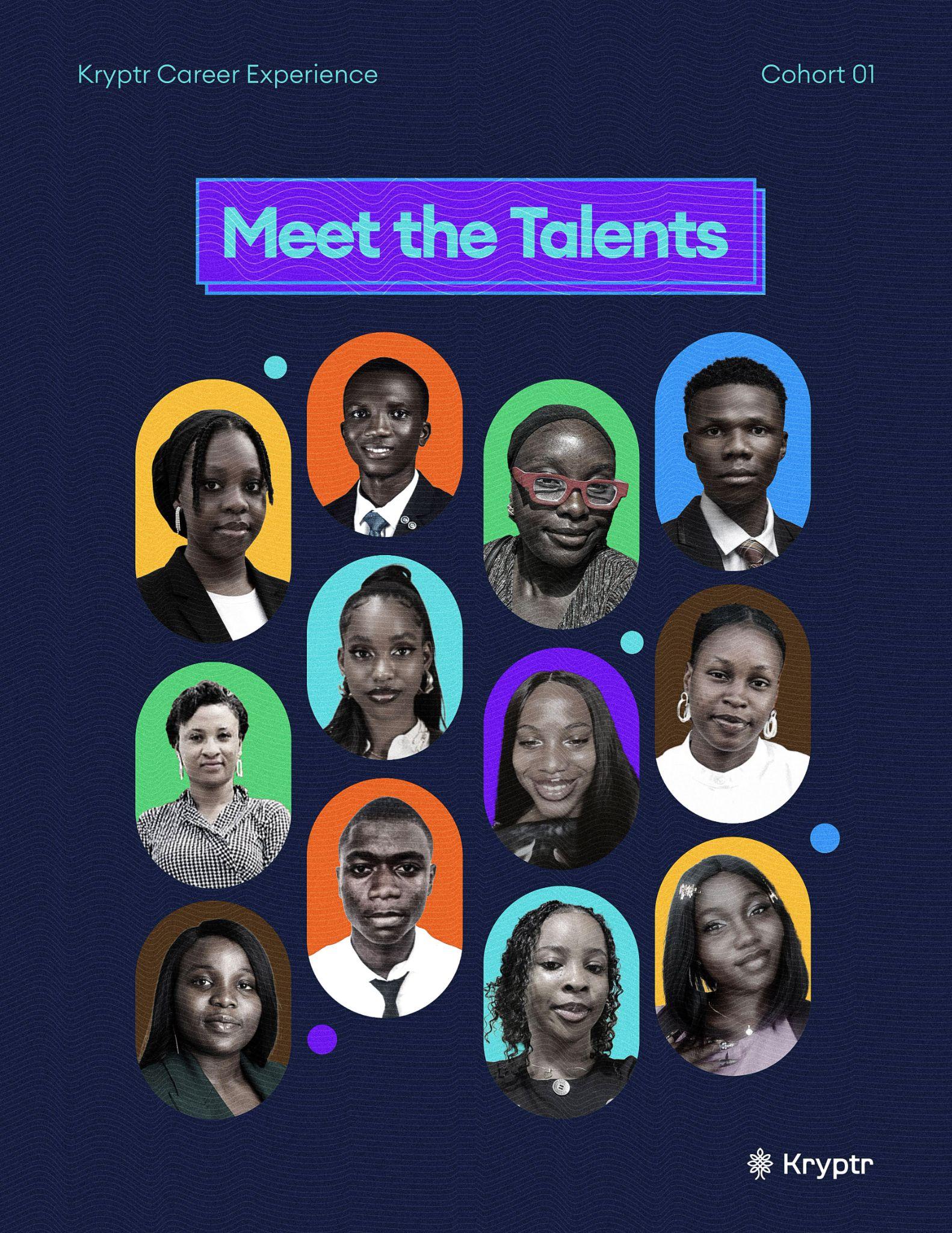
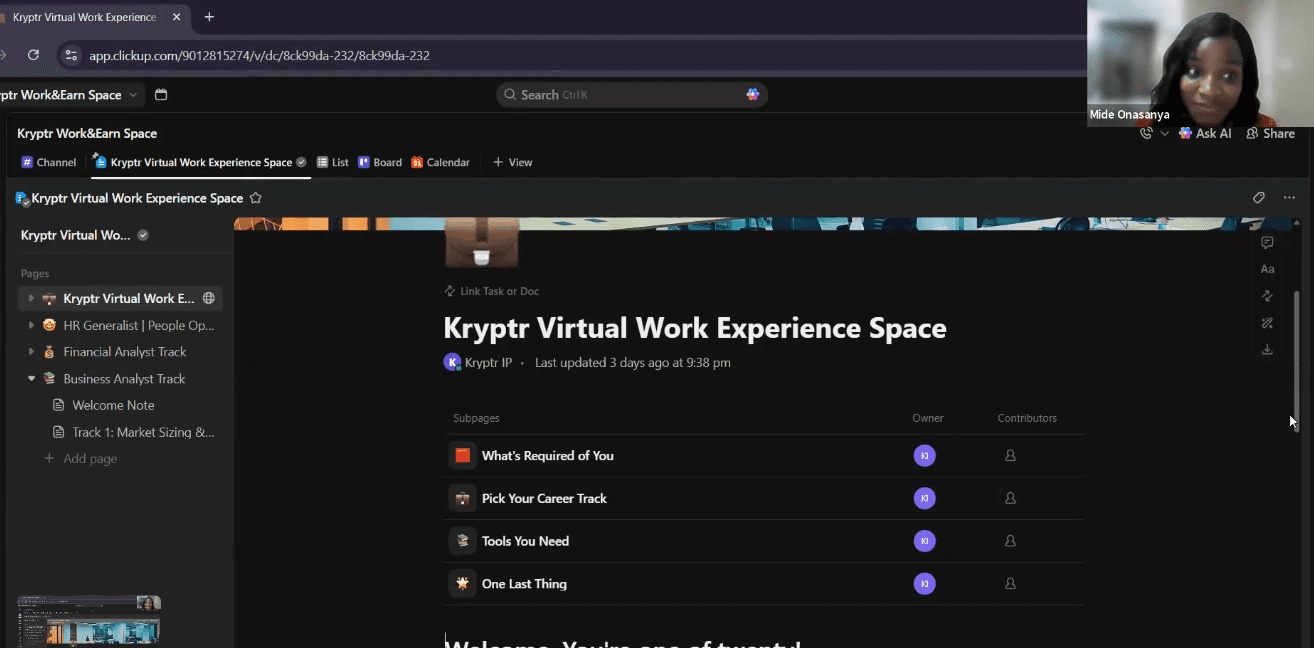
Real or simulated projects give you a closer look at what a role actually involves. They let you test your skills, build your judgment, and make decisions under pressure. The kind of practicality no classroom can fully replicate. Kryptr offers a live virtual work experience program for Nigerian undergraduates. You select a career track, receive a real-company brief to work on, and get matched with a mentor in your desired industry. Last Friday, we ran our first session with 20 students across three tracks: Business Analysis, Finance Analysis, and People Operations.
Document everything for your CV and portfolio.
Doing the work isn't enough. You have to document it. Recruiters and employers want to see what you've actually done: the tasks, the outcomes, the results. Documentation turns claims into evidence and gives you proof of value.
Get feedback and improve continuously.
Feedback refines your work, strengthens your career foundation, and shows you where to focus. It also exposes you to industry expectations, what skills employers want, the opportunities that exist, and what the earning potential looks like in your field. Seeking feedback consistently is one of the smartest things you can do. With Kryptr, the support doesn't end when you finish your program. You'll have access to live training sessions and mentors who guide you through real briefs and tasks, helping you improve continuously.
As a Student, What Should I Be Doing Right Now?
If you're in 100 or 200 level, don't let the busyness of school make you ignore life after school. The biggest shift happening right now is AI.
There was a recent report describing 2026 as one of the toughest times to be an entry-level talent, and it's only getting more competitive. Many entry-level tasks are already being automated, which means employers are becoming more selective.
Use this time well. Volunteer, intern, learn skills, participate in simulations, and work on hands-on projects. Test ideas, make mistakes, learn from them, and build experience you can confidently put on your CV.
If you're in 300 or 400 level, you're closer to graduation and probably thinking seriously about your career after school.
Whether it's SIWES, internships, volunteering, or project work, don't just focus on doing the work; make it visible. Share your projects and your journey on LinkedIn, TikTok, Instagram, or wherever experts and employers in your desired industry live. Opportunities often come to people whose work can be seen.
More importantly, make sure the experience you're building is developing skills that genuinely differentiate you in the job market.
At Kryptr, we have a Career Accelerator Community where we share practical career resources regularly, from hiring trends and recruitment news in Nigeria to interview prep, tips for your first weeks in a new role, questions to ask your manager, and other workplace guidance that helps you show up as someone who understands the professional world.
The message is simple: Build early. Start now.
Experience Is No Longer Optional
Right now, experience before leaving school would give you the leverage you need.
Beyond building the foundation of your career, starting early gives you the opportunity to earn money and develop independence while still in school. The earlier you begin gaining experience and developing relevant skills, the more leverage you'll have when it's time to leave school and compete.
"Everything from ELITE Campus gave me the confidence I needed for my interview. I just got an internship with Bicop Foundation, Canada."

Frequently Asked Questions
Can I get work experience in Nigeria without connections?
Yes. Most students who build strong CVs before graduation don't start with connections, they start by building their skills. From virtual work experience programs, freelance projects, and student volunteering opportunities. The important thing is to start from where you are.
Do I need a university certificate to start building work experience?
No. Work experience can be built before graduation. The earlier you begin, the more competitive your profile is by the time you graduate.
What's the difference between an internship and a virtual work experience program?
An internship is typically in-person, structured around a company's schedule, and competitive to get into, especially without prior experience. A virtual work experience program gives you access to real briefs and industry mentorship online, making it a strong starting point before you're ready to apply for formal internships.